
INDOOR AIR QUALITY
Indoor air assessment: useful measurements and targeted analyses.
Air Sain investigates indoor conditions with targeted readings, monitoring over several days or passive air sampling sent to a laboratory. The approach depends on the question.
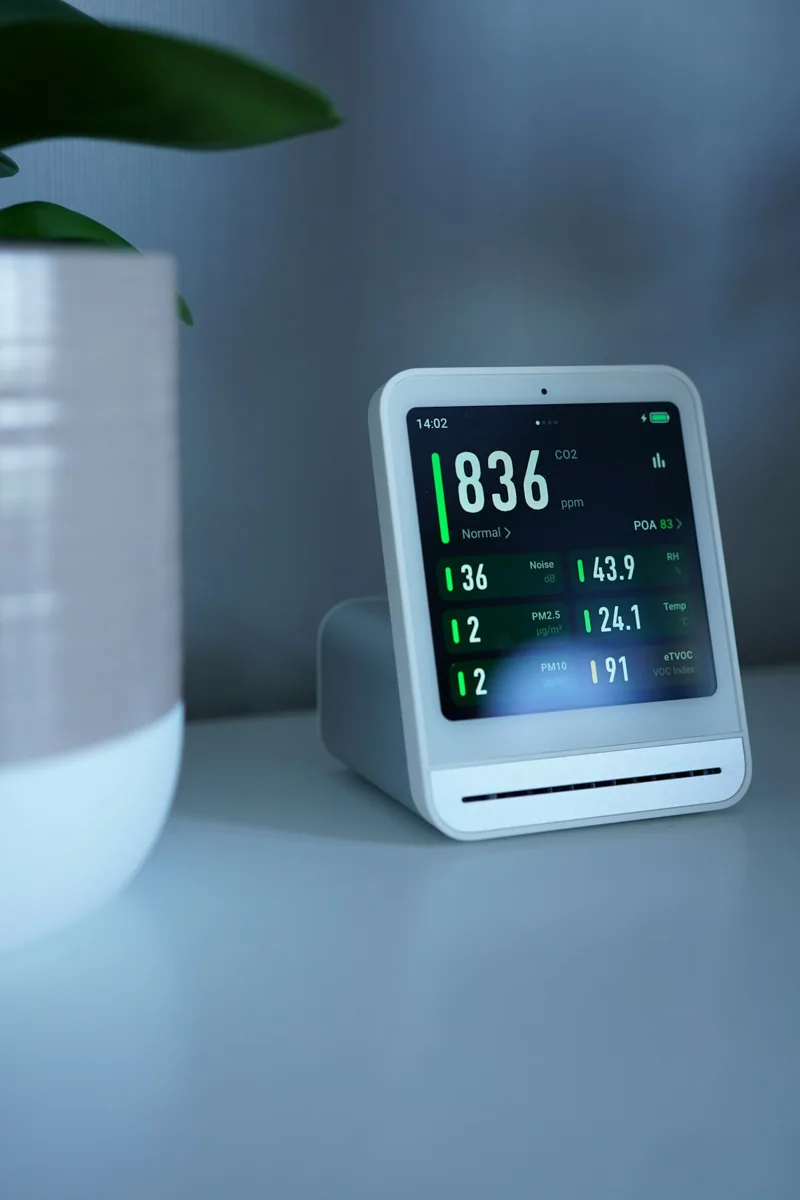
01 / UNDERSTANDING
Understand indoor air quality through meaningful measurements.
An unusual smell, a stuffy bedroom or discomfort at work: we start by understanding the affected rooms, how they are used and when the concern occurs. This helps us choose useful checks.
On-site measurements provide an initial overview. Monitoring records selected parameters across several days, showing how conditions change with occupancy and ventilation. For targeted questions about airborne mould, Air Sain can also place a passive sampling device and send the collected sample to a laboratory for analysis.
On-site readings, monitoring and targeted laboratory analysis.
02 / SIGNS
When is an assessment useful?
A room that feels stuffy or changes throughout the day.
A concern that calls for monitoring selected parameters over several days.
A specific question suitable for passive air sampling and laboratory analysis.
03 / SERVICES
How we investigate
Check conditions on site
Take readings relevant to the concern, considering the room and how it is used.
Monitor trends over time
Record selected parameters to see changes during occupancy and airing. Graphs help make the patterns understandable.
Arrange passive laboratory sampling
When a targeted test is useful, we place and collect the sampler and send it to the laboratory, which provides the analysis results.
RADON / INFORMATION
Depending on your concern
ADDITIONAL CHECK
Radon: an additional one-hour check
Air Sain also offers a one-hour indicative radon check using a dedicated electronic instrument. It provides an initial indication and is different from officially approved measurement. We discuss it when radon is relevant to the enquiry.
Understand the radon check ↗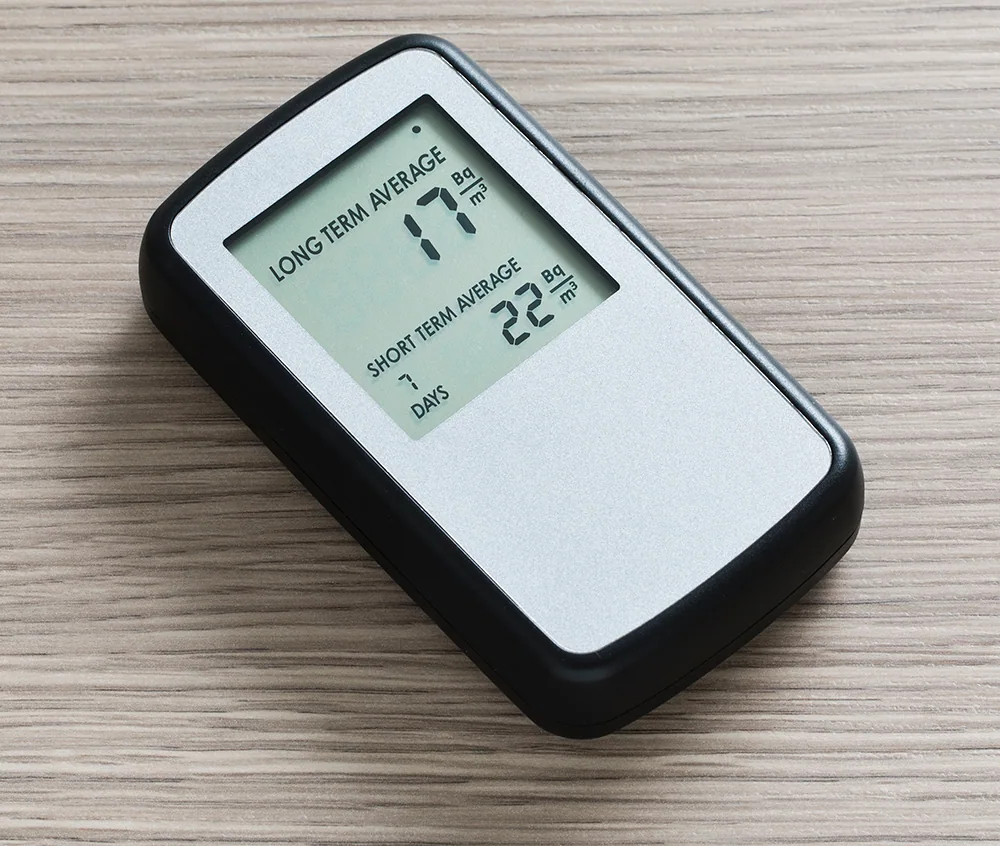
04 / PROCESS
How does an assessment work?
Discuss
Discuss the affected rooms, observations and questions.
Measure
Take on-site readings or set up monitoring of selected parameters.
Sample
Where appropriate, place a passive sampler and send the sample to the laboratory.
Explain
Explain the readings and, where applicable, the laboratory report.
05 / SERVICE
How we can help
Targeted on-site readings
Examine the affected rooms, record relevant parameters and explain the first observations.
Monitoring and targeted laboratory checks
Track changes over several days or arrange passive sampling for laboratory analysis.
06 / FINDINGS
Understanding the findings
A clear summary
Depending on the assessment, we explain readings and trends. For passive sampling, the laboratory provides results for the analysis performed on the collected sample.
What you can do next
Understand trends and the specific laboratory analysis when sampling is included.
07 / FAQ
Frequently asked questions
What does an indoor air monitor measure?
Each device monitors selected parameters, such as CO₂, humidity or particles, according to the model. We choose measurements that address the concern.
Why monitor air over several days?
Conditions change with occupancy, heating and ventilation. Monitoring shows patterns and when changes occur.
How does passive air sampling work?
We place a sampler suited to the agreed question. After the specified exposure period, the sample is analysed by a laboratory, which reports the results.
AIR SAIN / CONTACT
Tell us about the situation.
Tell us which rooms are affected and what you have noticed. We can discuss a suitable assessment.