
MOULD ASSESSMENT · SWITZERLAND
Mould in your home? Start by understanding why it appears.
Mould marks, dark spots or a musty smell deserve careful investigation. We examine moisture conditions to understand what may be causing the growth.
UNDERSTAND THE PROBLEM
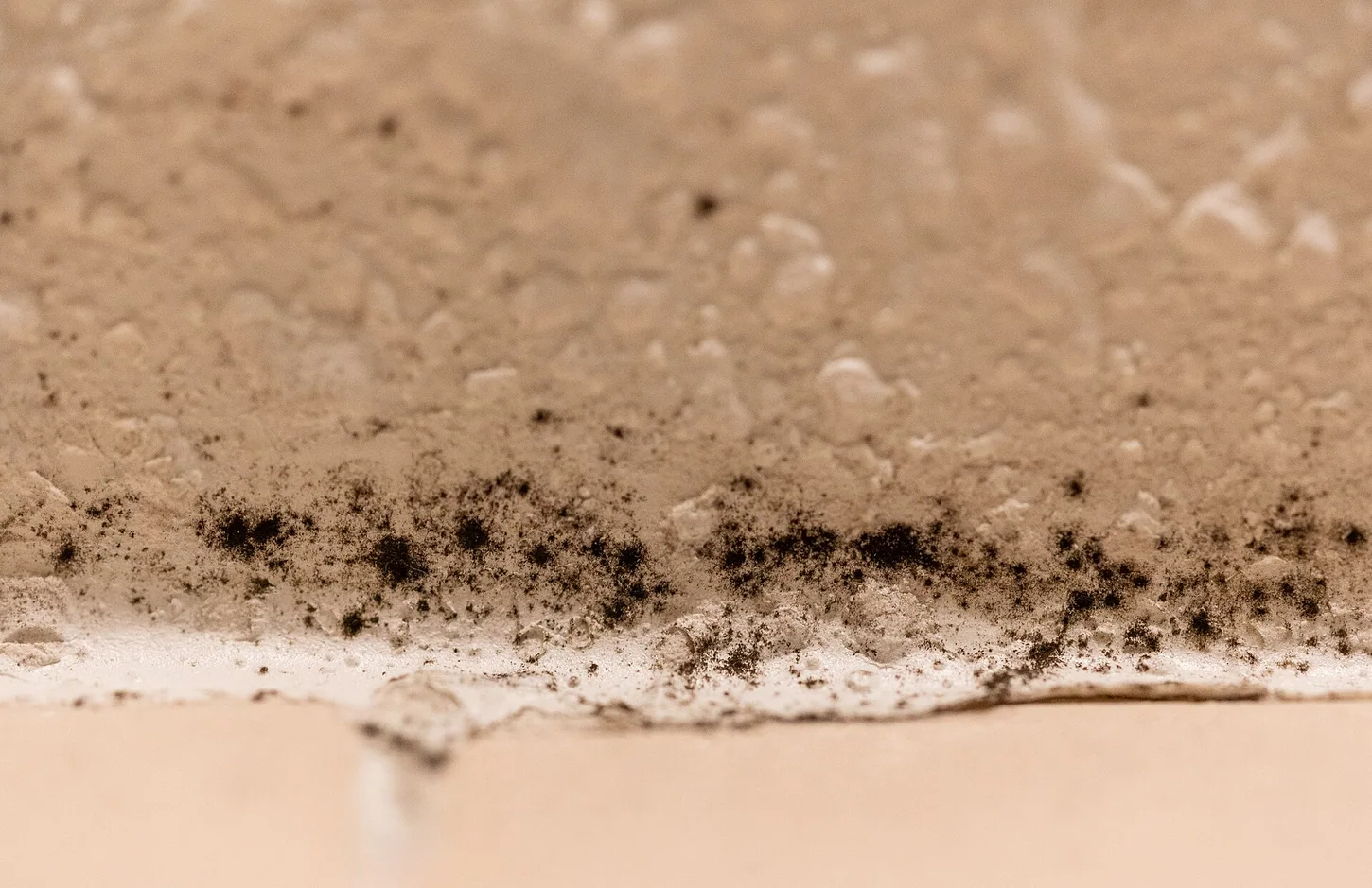
Visible mould is more than a cosmetic mark.
Mould can grow when moisture persists on a suitable material. Condensation on a cold wall, leaks and water ingress are possible explanations. Understanding the moisture source is essential to prevent recurrence.
Where useful, the visit can be supplemented with a passive air sample or a direct sample from visible mould. We send the collected sample to a laboratory for analysis. The test is selected to answer a defined question and adds information about the sampled material or location.
01 / INDICATIONS
When should you contact us?
Stains returning
Growth reappears after cleaning, particularly around a window or in a room corner.
Musty smell
A persistent smell in a room, wardrobe or close to a wall.
Unclear locations
Signs appear behind furniture, in a bedroom, cellar or renovated property.
02 / UNDERSTANDING
Possible contributing factors — not premature conclusions.
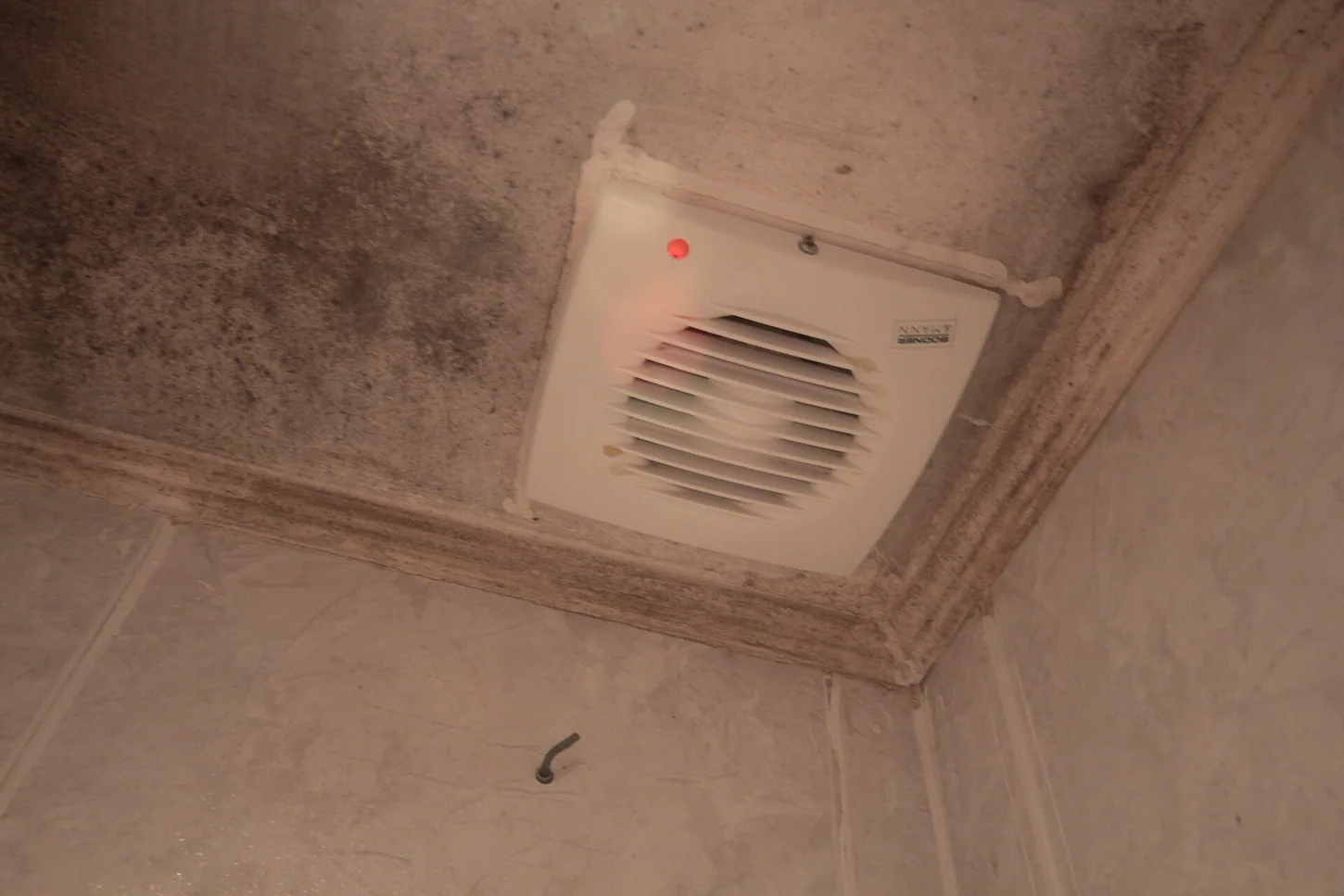
Humidity and cold surfaces
Water vapour can condense on sufficiently cold surfaces. Room use, airing and the building envelope all matter.
Unwanted water
Leaks and water ingress are possible explanations when supported by other signs.
Persistent dampness
Materials that remain damp may allow mould to return even after cleaning.
03 / PROCESS
How do we investigate the cause of mould?
Review the history
Discuss the affected rooms, onset, rainfall, heating, ventilation and any previous cleaning.
Inspect affected areas
Review visible marks, surfaces and signs of condensation or water ingress.
Measure or sample as needed
We may check temperature and moisture conditions. When helpful, we can place a passive air sampling device or take a direct sample from accessible visible mould and send it to a laboratory.
Explain next steps
Separate observations, hypotheses and recommendations, including specialist building work or appropriate remediation when necessary.
04 / YOUR ASSESSMENT
What our observations and tests can tell you
What we examine
We review visible signs and moisture conditions and explain useful next steps. Where relevant, a passive air sample or a direct surface sample can be sent to a laboratory.
What the findings help you decide
We explain the observations and possible actions to address moisture. If hidden mould is suspected, we outline appropriate building investigations.
05 / UNDERSTANDING THE LIMITS
What can mould samples tell us?
Passive air samples and direct surface samples answer different questions. The collected material is analysed by a laboratory using a defined method, and its findings can complement the on-site assessment. Where mould is visible, understanding and resolving the moisture source remains essential.
06 / FAQ
Frequently asked questions
Why does mould return after cleaning?
It can return when moisture persists. Finding its source helps identify a lasting solution.
Does the colour tell us what type of mould it is?
Colour alone rarely identifies a species. A laboratory sample can provide more information when that distinction matters.
How do you check possible mould behind a wall covering?
We review accessible signs and moisture conditions, then explain when specialist building checks may be useful.
Can you take a sample directly from the wall?
Yes. Where it answers a useful question, we take a sample from an accessible surface and send it for laboratory analysis.
DISCUSS YOUR CONCERN
Tell us where the problem is and what you have observed.
Tell us which room is affected, where the marks appear and whether they follow condensation or rain.