
MOISTURE & CONDENSATION · SWITZERLAND
Condensation or a damp wall? First understand where the moisture comes from.
Condensation on windows, damp marks and cold walls can have different causes. Air Sain examines the conditions and takes targeted readings to guide the investigation.
SIMILAR SIGNS, DIFFERENT EXPLANATIONS
Moisture problems do not have one universal cause.
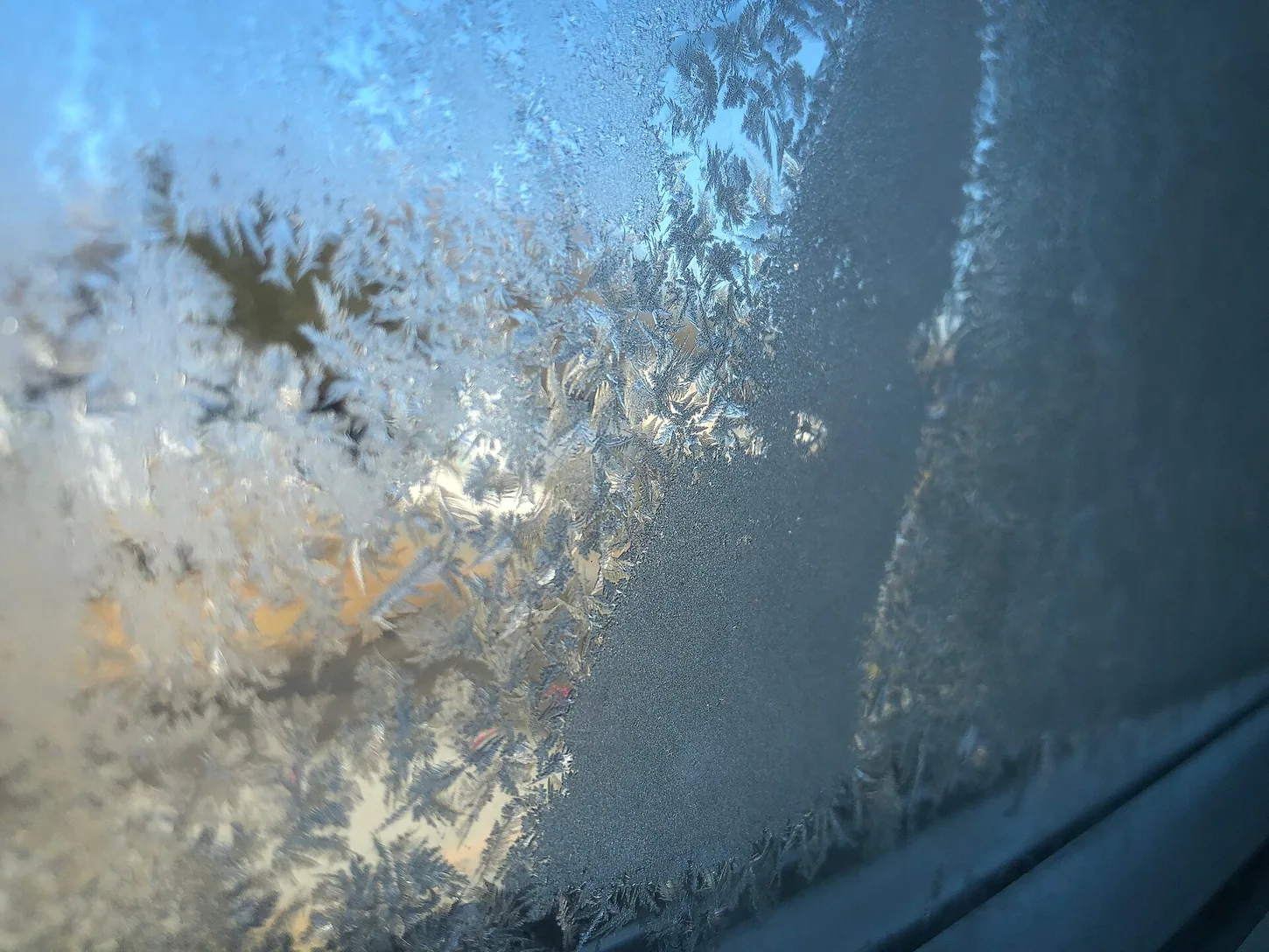
Indoor air naturally contains water vapour. When humid air meets a sufficiently cold surface, condensation can form. However, a damp patch can also result from unwanted water entering the building, a pipe leak or another issue.
Location, rainfall, heating, airing habits and how the symptoms change over time all matter to the assessment.
01 / INDICATIONS
What signs deserve attention?
Recurring condensation
Persistent misting or droplets on windows, frames or other cold surfaces.
Stains and damaged finishes
Watermarks, blistering paint, peeling wallpaper or changes to the surface.
Localised or recurring dampness
Marks on a wall or beam that appear after rain, in winter or in one particular room.
02 / UNDERSTANDING
Three possibilities to distinguish.
Condensation
Humidity, surface temperature, insulation and airing can all influence condensation.
Leaks or ingress
Water may enter from outside or from an installation. A stain alone does not prove its source.
Moisture retained in materials
A wall or beam may remain damp after an earlier event or insufficient drying. Further checks may be necessary.
03 / PROCESS
How do we investigate moisture problems?
Understand the timing
Identify the affected areas and whether signs follow rain, cold weather or particular activities.
Observe accessible conditions
Review visible signs and factors that could contribute to condensation or unwanted water.
Take targeted readings
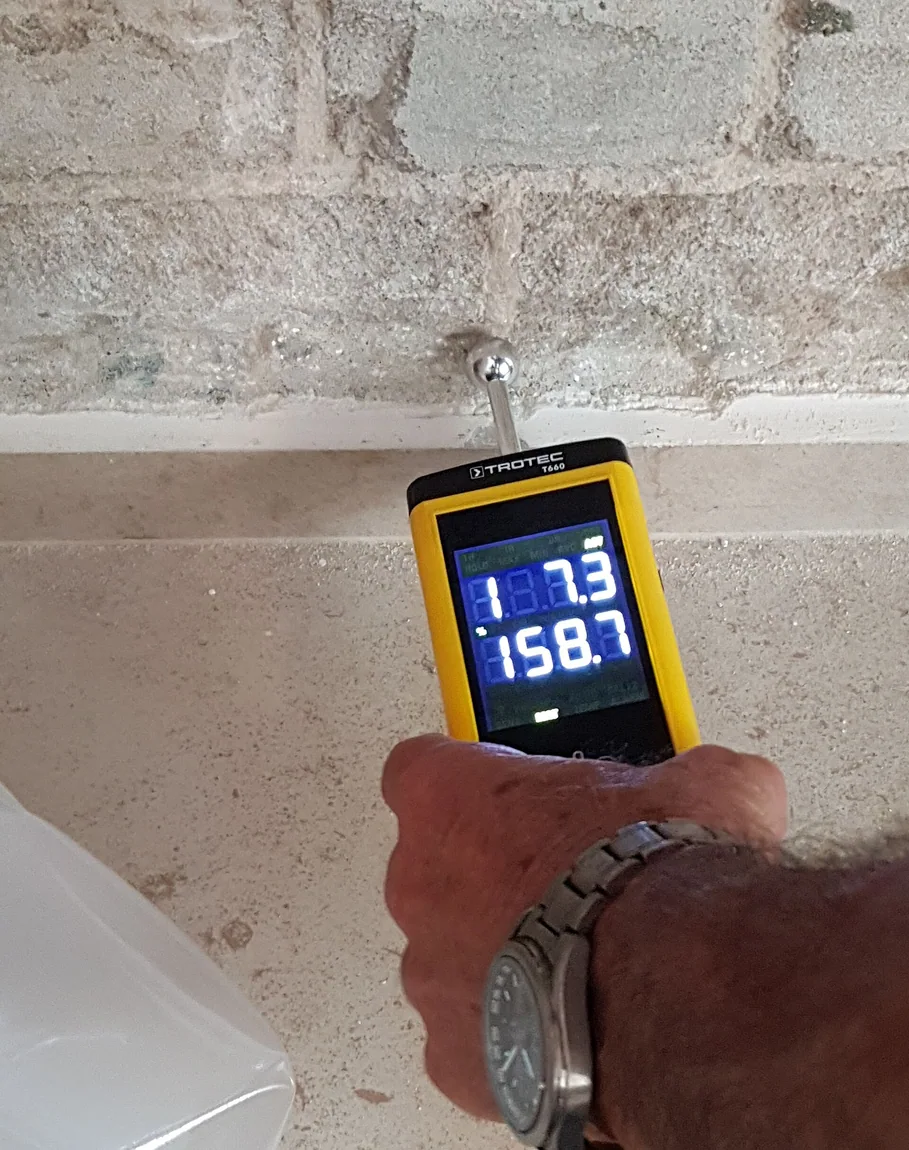
Measure indoor temperature and humidity and, where appropriate, moisture indications in relevant materials.
Explain the hypotheses
Relate findings to the context, explain uncertainty and recommend further specialist checks when needed.
04 / YOUR ASSESSMENT
Measurements that make the situation clearer
What we examine
We inspect affected surfaces and may measure indoor humidity, temperature and moisture indicators in relevant materials. Monitoring can show how conditions change across several days.
What the findings help you decide
We interpret results alongside weather, heating, ventilation and the location of marks. We explain plausible causes and useful checks when the water source needs further investigation.
05 / UNDERSTANDING THE LIMITS
Why do weather and seasons matter?
Cold surfaces and inadequate air exchange may make condensation more likely during winter. Signs appearing after rainfall may support a hypothesis of water ingress but do not prove it. Recording dates and circumstances is often helpful when the problem is intermittent.
06 / FAQ
Frequently asked questions
Is condensation related to insulation?
Surface temperature, heating, moisture production and ventilation all play a part. We review these factors together.
What can a thermal camera show?
It reveals temperature differences that help locate cold areas and guide follow-up checks.
Why does a mark appear after rain?
It can suggest water ingress. The location and weather conditions help guide investigation.
Why monitor humidity?
Monitoring shows how it changes overnight, with heating or after airing.
FIRST CONTACT
Describe the signs and when they appear.
Tell us where damp marks appear and whether they change after rain or in winter. We can discuss useful checks.